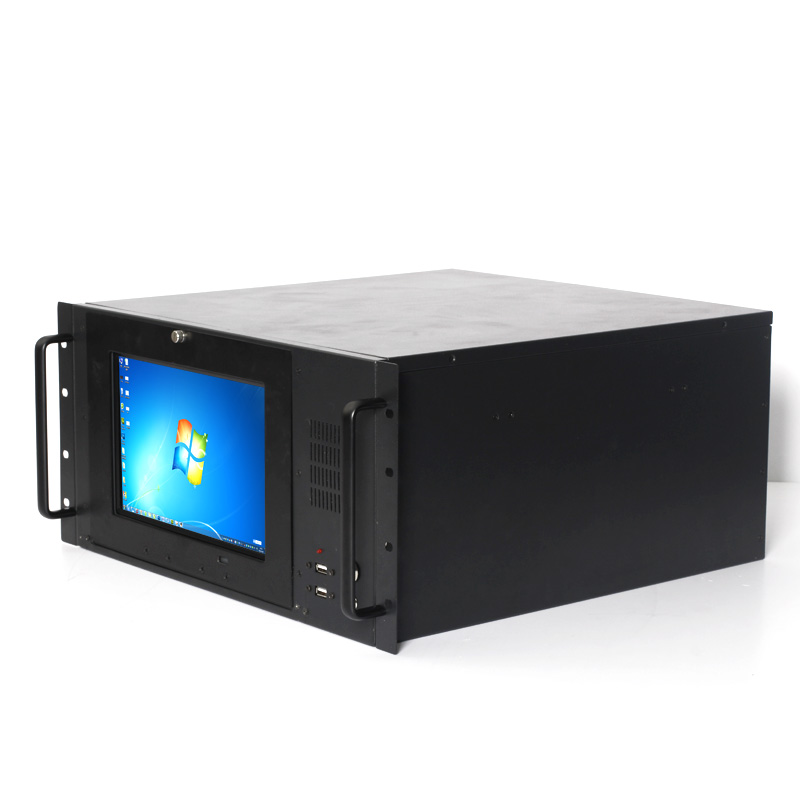
As industrial automation and smart manufacturing advance at speed, leading global IPC brands play a pivotal role. An industrial PC is not merely the "brain" of production equipment — it is the core hardware that enables data acquisition, control computation, and intelligent decision-making.
Choosing the right supplier means securing a lasting edge in performance, stability, and after-sales support. This article systematically reviews the technical strengths and application trends of global IPC brands to help industrial buyers make more rational selection decisions.
1. The Four Tiers of Global IPC Brands
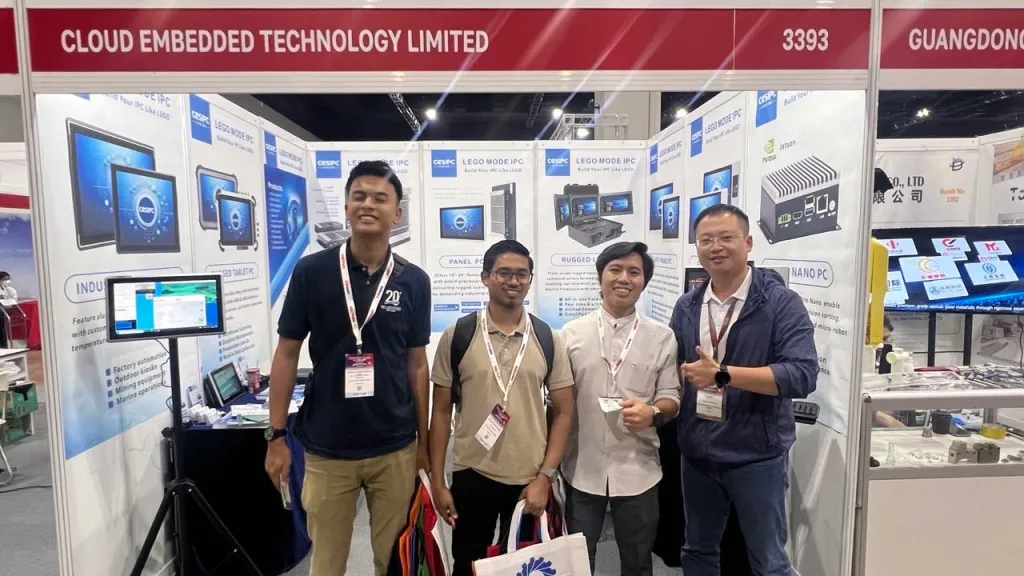
The first tier comprises established Asian players such as Advantech, Kontron, and EVOC, known for broad modular product matrices and complete ecosystems. The second tier is made up of Western automation giants like Siemens, ABB, and Schneider, which sell IPCs bundled into their PLC + SCADA systems. The third tier includes European automation specialists such as Beckhoff, B&R, and Phoenix Contact, distinguished by high-end, highly customized products. The fourth tier is the new generation of Chinese IPC makers (including CESIPC) that has risen in recent years, breaking quickly into the mid-market on the strength of in-house board architectures and cost advantages.
2. The Core Dimensions of Technical Strength
- Processor platform coverage: how complete the Intel / AMD / NVIDIA / ARM and domestic platform lineup is
- Industrial-grade reliability: MTBF figures, wide-temperature operation, shock and vibration resistance, and EMC immunity
- Modular expandability: whether modular boards can lower customization costs and shorten upgrade cycles
- Certification and compliance: CE / FCC / RoHS / ISO 9001 and industry-specific approvals
- Long-term supply commitment: version freezing, EOL notifications, and spare-parts assurance
3. The Rise of Chinese Manufacturers
Over the past five years, a clear trend has emerged in China's IPC market: more and more mid-market customers are switching from top-tier Western brands to high-quality domestic suppliers. There are three reasons: the performance gap has narrowed to within 5%; prices are 30–50% lower; and local after-sales response and customization are faster and stronger. Chinese makers such as CESIPC can now compete head-to-head with leading global brands in in-house modular board architecture (FlexCore™), industrial reliability engineering (SafeCore™), and AI edge computing (the NVIDIA Jetson-based EA-N series).
4. Selection Advice for Buyers
When selecting a supplier, buyers should focus on four points: don't chase big international names blindly — look at real test data for your specific use case; value long-term supply — confirm whether the vendor can guarantee a 5–10 year version freeze; prioritize local after-sales service — international brands often respond more slowly than domestic suppliers; and pilot before you commit — validate 5–10 units over three months before placing volume orders.